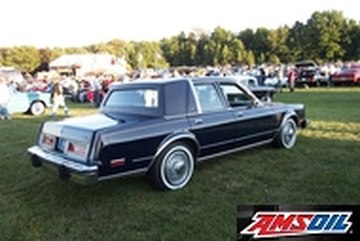
Lubrication Maintenance for the 1981 Chrysler LEBARON 5.2L
Maintaining the engine lubrication system in a vehicle like the 1981 Chrysler LEBARON with its 5.2L engine requires consistent attention to fluid condition and component integrity. Proper lubrication is fundamental to managing the internal friction and thermal loads generated during operation. For owners of this era of Chrysler vehicles, staying proactive with routine inspections can help identify potential issues before they escalate into more significant mechanical concerns.
Monitoring Fluid Condition and Potential Leaks
One of the most effective ways to monitor the health of the lubrication system is through regular visual inspections. When checking the engine bay, look for any signs of fluid seepage or active leaks around various sealing surfaces. Even small amounts of oil appearing on the exterior of the engine block or near the bottom of the pan can indicate that a gasket or seal may be losing its effectiveness due to age or heat cycles.
It is also useful to observe the appearance of the lubricant itself during routine checks. While some discoloration is expected as oil ages and collects contaminants, significant changes in texture or an unusual odor can warrant closer investigation. If you notice any evidence of fluid escaping from the engine area, it should be addressed promptly to prevent low lubricant levels.
Observing Potential Warning Signs
Vehicle owners should remain attentive to how the engine behaves during and after operation. While many mechanical issues can have multiple underlying causes, certain symptoms are worth noting for future diagnostic discussions:
- Changes in Lubricant Consumption: If you find that you are needing to add oil more frequently than in previous months, this may indicate an issue with how the engine is managing its lubricant.
- Unusual Noises: Any new or persistent mechanical sounds coming from the engine area should be investigated, as they can sometimes be associated with changes in lubrication efficiency.
- Visual Indicators: Keep a close eye on any dashboard warning lights related to the engine system. An oil-related indicator requires immediate attention to ensure the engine is receiving adequate lubrication.
- Exhaust Observations: While not always a direct indicator of an oil issue, changes in exhaust appearance can sometimes be linked to how the engine is consuming fluids.
Because these symptoms can stem from various different sources, they should be treated as prompts for a professional inspection rather than definitive proof of a specific component failure.
Managing Maintenance Records and History
For long-term ownership of a 1981 Chrysler LEBARON, establishing a clear maintenance baseline is highly beneficial. If you have recently acquired the vehicle, reviewing any available service records can provide insight into how the engine has been cared for in the past. Knowing when the oil was last changed, what type of products were used, and if any major repairs were performed helps in planning future service.
If no documentation exists, your first priority should be to begin a detailed log of all fluid changes, filter replacements, and mechanical inspections. This history becomes an invaluable tool for distinguishing between routine maintenance needs and unexpected changes in vehicle behavior. A well-documented history allows you to see patterns—such as a gradual increase in oil consumption or the frequency of seal replacements—which can assist in making informed decisions about the vehicle's long-term upkeep.
Prioritizing Service Tasks Based on Condition
As vehicles age, maintenance priorities often shift from strictly following a calendar to responding to the actual condition of the components. Rather than replacing parts based solely on the age of the vehicle, focus on addressing active concerns first. This means prioritizing any identified leaks, unusual noises, or signs of fluid degradation.
When performing routine service, it is helpful to distinguish between preventive maintenance and unnecessary replacements. For example, if a component like an accessible belt (if equipped) shows no signs of cracking, glazing, or fraying, there may be no immediate need for replacement. However, if you observe any deterioration in hoses or electrical connections, these should be moved up the priority list to ensure the engine environment remains stable and well-maintained.
Inspecting Aging Components and Systems
The 1981 Chrysler LEBARON features various components that are subject to environmental and thermal stress over time. During routine service, it is practical to perform a general inspection of aging materials. This includes checking the condition of any visible hoses or wiring harnesses for signs of brittleness or wear. Additionally, if the vehicle is equipped with an air filtration system, ensuring the filter is clean is vital for preventing excessive contaminants from entering the engine environment.
If you notice evidence of previous neglect—such as heavy sludge buildup or significant staining in the engine bay—it may be necessary to perform more frequent inspections until a consistent maintenance routine is established. Addressing these signs early helps stabilize the engine's operating environment and supports long-term reliability.
Buying Engine Oil for your 1981 Chrysler LEBARON 5.2L
When it is time to replenish or change the lubricant in your 1981 Chrysler LEBARON 5.2L, the most important step is to ensure the product matches the specific requirements of your engine. To select the correct oil, match the engine oil to the application-specific viscosity information already displayed on this webpage.
When shopping for products, consider the following practical tips:
- Verify the Label: Always check the product packaging to ensure it meets the necessary specifications and that the viscosity matches what is listed in your vehicle's application data.
- Evaluate Formulations: Depending on your engine's current condition, you may choose between conventional, synthetic blend, or full synthetic oils. Some high-mileage oil formulations contain additives intended for use in aging engines, including seal-conditioning additives, which some owners find useful for managing older seals.
- Check Certification: Ensure the oil carries the appropriate API certification to confirm it meets modern quality and performance standards.
By following the specific viscosity and application guidance provided on this page, you can ensure that your lubrication choices are appropriate for your 5.2L engine.